A modern dental laboratory in school is no longer only a equipments place for fabricating crowns, dentures, or prostheses. It is common to relate with an extensive dental lab equipments involved, manual hand steps by steps and digital workflow. It can also become a clinical simulation center where students learn how to recognize mistakes before they happen to real patients. A clinical error and complication lab gives dental students a controlled environment to practice diagnosis, surgical judgment, instrument handling, teamwork, and complication management.
In this lab, the goal is not speed. The goal is professional thinking. Students are trained to ask: What is the risk? What could go wrong? What should I check before touching the model? How do I correct the problem safely?
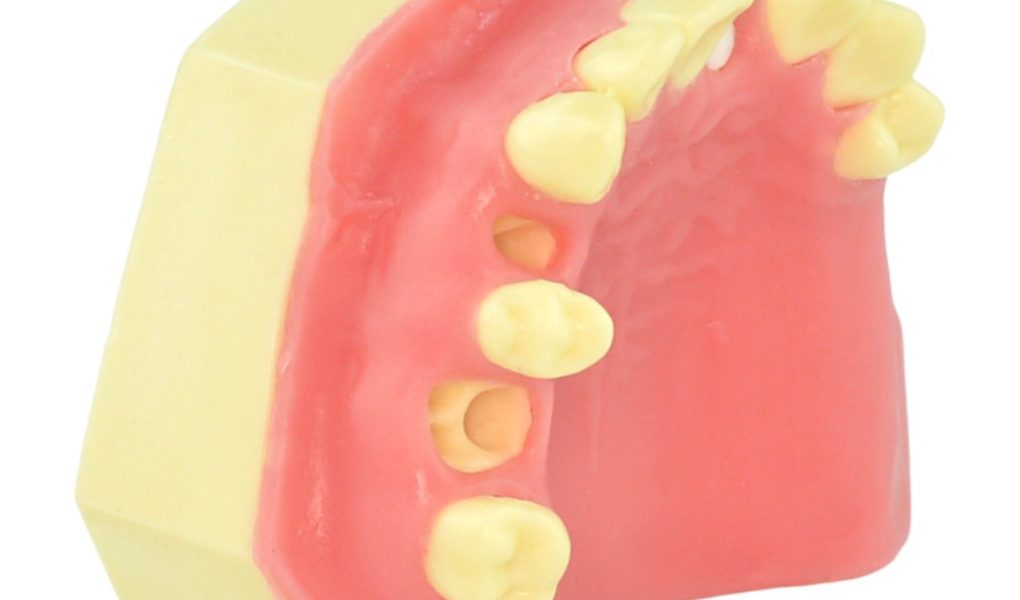
The training model may include typodonts, artificial gingiva, simulated bone, residual roots, missing tooth spaces, and implant sites. Students work with professional dental instruments such as implant torque wrenches, luxating elevator tools, gingival flap instruments, implant motors, surgical handpieces, irrigation systems, suturing instruments, and surgical guides. The classroom becomes a bridge between textbook knowledge and real clinical responsibility.
| Training Error Example | Possible Complication | Correct Professional Guide |
| Error 1: Excessive force during residual root removal. A student uses a luxating elevator like a lever and applies uncontrolled pressure against the socket wall or adjacent tooth. | Root fracture, damage to adjacent tooth, buccal plate fracture, soft tissue trauma, poor surgical visibility. | First review the simulated radiograph and root anatomy. Create proper access and visibility. Use luxating elevator tools with controlled apical pressure along the periodontal ligament space, not as a forceful lever. Protect adjacent teeth and soft tissue. If resistance is high, stop, reassess, and consider root sectioning or flap access under instructor guidance. |
| Error 2: Incorrect implant angulation or uncontrolled insertion torque. A student follows hand feeling instead of the planned path, or ignores the torque reading during implant placement. | Malpositioned implant, cortical plate perforation, poor prosthetic position, overheating risk, low primary stability, or excessive compression of simulated bone. | Begin with prosthetically driven planning. Confirm guide position, drilling sequence, depth marks, irrigation, and handpiece stability. Use the implant motor and handpiece according to the training protocol. During placement, verify angulation and depth. Use an implant torque wrench to understand insertion resistance and stop if torque behavior is abnormal. |
One important scenario is residual root removal. In real clinical practice, retained roots can be fragile, curved, or close to anatomical structures. In the simulation lab, students can practice flap reflection, bone preservation, elevator selection, and root delivery on training models before facing patients. The emphasis should be atraumatic technique: maintain visibility, protect the gingival flap, avoid unnecessary bone loss, and understand when to change the approach instead of increasing force.
Another valuable scenario is implant replacement after tooth loss. Students can simulate the full pathway: assessing the edentulous space, planning implant position, preparing the osteotomy, placing the implant, checking insertion torque, and considering the future restoration. This teaches students that implant surgery is not only about placing a screw into bone. It is about respecting anatomy, soft tissue, prosthetic direction, and long-term function.
The Clinical Error and Complication Lab should always include debriefing. After each exercise, students review what happened, what signs they missed, and how they would communicate the issue professionally. This reflection is where real learning happens. A broken model, a wrong implant angle, or a torn artificial flap is not a failure; it is a safe warning. It shows the student where their clinical judgment needs to become sharper.
For dental schools, this type of lab builds safer habits early. Students learn that complications are not only technical problems. They are often the result of poor planning, poor visualization, rushed instrument handling, or failure to stop and reassess. By training errors deliberately, students develop a calm and systematic response.
A Clinical Error and Complication Lab helps students become more than skilled hands. It helps them become responsible clinicians. Before treating real patients, they learn the most important professional lesson: good dentistry is not only knowing how to perform a procedure, but knowing how to prevent, recognize, and manage complications.
In a clinical error and complication lab, the selection of training consumables is just as important as the teaching method. Dental schools can build a progressive simulation system that starts with basic crown and cavity preparation models, then advances to oral surgery training models that allow students to practice the complete surgical cycle: residual root removal, gingival flap design, osteotomy drilling, implant placement, and suturing. These teaching models should be used together with professional dental instruments, including tooth extraction forceps, luxating elevators, gingival flap instruments, implant motors and handpieces, implant torque wrenches, and suturing kits. Through repeated practice on realistic models, students can improve not only their hand skills, but also their clinical judgment, complication awareness, and instrument selection. For dental schools preparing simulation programs or updating laboratory training resources, Dentsma can be used as a practical online reference platform for teaching models and trainning dental instruments.


